Product Description
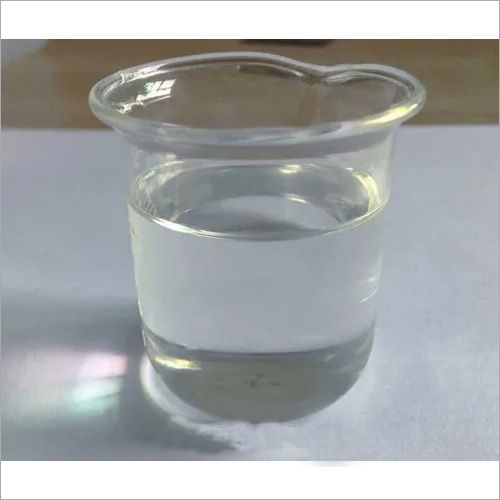
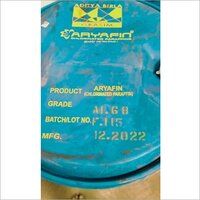
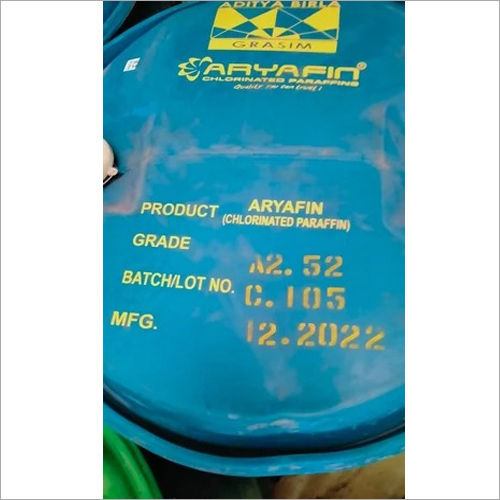
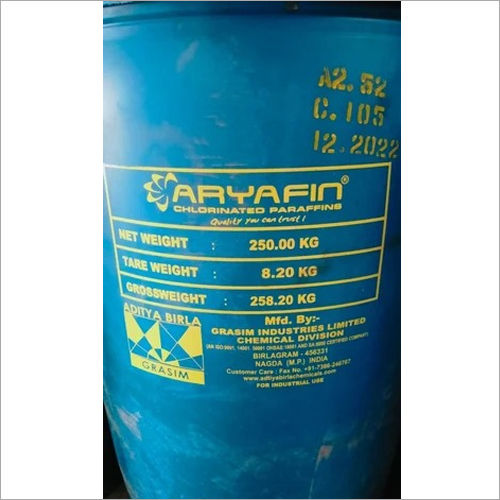
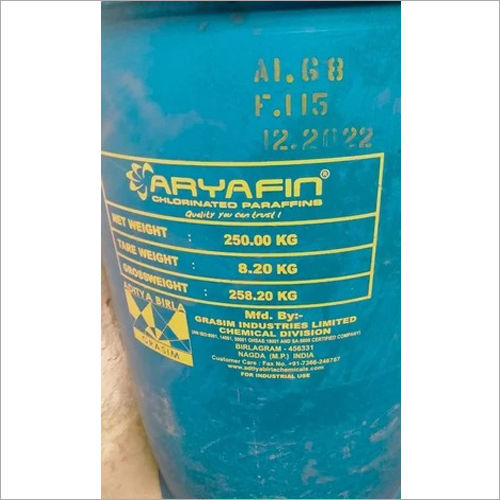
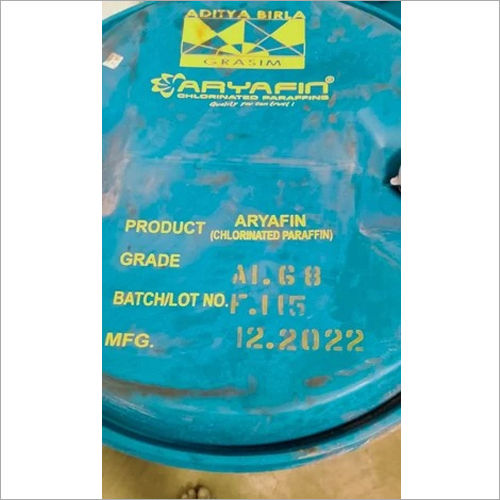
CPW is used widely as a secondary plasticizer in flexible PVC compounds notably cable, footwear, hosing, conveyor belting, coated fabric and profiles. In these applications it can be used to partially replace more expensive primary plasticizers.
Enduring Industrial PerformanceChlorinated Paraffin's high purity and specialized grades make it a go-to solution for a range of industries. It serves a vital role in improving the flame retardancy and flexibility of products like paints, rubber, polyester, ABS, and polystyrene. Its liquid form ensures straightforward integration into manufacturing processes, providing suppliers and users with stable, dependable results.
Safe Handling and Versatile ApplicationAdaptable to various industrial needs, Chlorinated Paraffin is straightforward to store-requiring only ambient room temperature conditions. This minimizes handling complexity for distributors and end-users, ensuring consistent quality and performance in applications spanning flame retardant manufacturing and plasticising agents in polymers.
FAQ's of Chlorinated Paraffin:
Q: How is Chlorinated Paraffin typically used in industrial applications?
A: Chlorinated Paraffin acts as a flame retardant, plasticiser, and processing aid in industries manufacturing paints, rubber, polyester, ABS, and polystyrene. Its liquid form makes it easy to blend into formulations during production.
Q: What benefits does Chlorinated Paraffin offer as a flame retardant or plasticiser?
A: The addition of Chlorinated Paraffin enhances fire resistance, flexibility, and durability in end products. It effectively reduces flammability and improves processing characteristics, making finished goods safer and more robust.
Q: When should I select a specific Chlorinated Paraffin grade like A2 58 or B3 45?
A: The appropriate grade depends on the desired properties for your application. Higher or lower chlorination levels and specific grades like A2 58 or B3 45 cater to the unique needs of products like rubber, paints, or plastic components, ensuring compatibility and performance.
Q: Where should Chlorinated Paraffin be stored for optimal effectiveness?
A: It should be kept in a dry, well-ventilated area at room temperature, away from direct sunlight and incompatible chemicals. This preserves its purity and liquid state for reliable use in industrial processes.
Q: What is the process for adding Chlorinated Paraffin to polymer-based products?
A: Chlorinated Paraffin is mixed directly with base materials during manufacturing. Its liquid form enables even distribution, ensuring consistent flame retardancy and plasticising effects throughout the product.
Q: Is Chlorinated Paraffin readily available for distributors and manufacturers in India?
A: Yes, Chlorinated Paraffin is distributed, exported, imported, and supplied by a network of partners across India, ensuring prompt availability for industrial requirements.



 Send Inquiry





 Send Inquiry
 Send Inquiry
 Send SMS
 Call Me Free


 English
 Spanish
 French
 German
 Italian
 Chinese (Simplified)
 Japanese
 Korean
 Arabic
 Portuguese